Comprehending the brand life cycle is essential for marketers aiming to establish and sustain robust brand equity. Whether in reinvention, growth, or maturity phases, brands must modify their marketing strategies to remain pertinent and competitive. The 4Ps—product, price, promotion, and place—constitute the foundation of brand positioning throughout these stages. This analysis examines how three iconic brands—Burberry, Zoom, and Coca-Cola—strategically implement the 4Ps to enhance consumer perception and propel brand equity, following contemporary best practices in brand identity design (Wheeler & Meyerson, 2024).

Burberry: Reinvention Through Heritage and Innovation
Burberry epitomizes a brand undergoing a significant phase of reinvention. Historically undermined by excessive exposure, the company has adeptly repositioned itself as a contemporary luxury house by modernizing its marketing strategies while simultaneously paying homage to its rich heritage (Burberry, 2023).
Product: Burberry’s innovation has been critical. The brand retains iconic pieces like the trench coat while expanding into contemporary categories such as streetwear and accessories. Burberry uses seasonal runway collections and limited drops to create excitement and exclusivity, appealing to legacy customers and Gen Z (Chitrakorn, 2020).
Price: Burberry’s prices remain high to signal luxury and craftsmanship. This strategic premium pricing model reinforces Burberry’s position in the upscale fashion market, where price signals value and status (Wheeler & Meyerson, 2024).
Place: Burberry has evolved into a sophisticated omnichannel experience. From flagship stores in fashion capitals to a seamless global e-commerce platform, Burberry combines physical and digital retail with cutting-edge technology, including AR-powered shopping and live-streamed fashion shows (Burberry, n.d.).
Promotion: Burberry blends tradition and trend. The brand uses high-production digital campaigns, influencer partnerships, and social media storytelling to elevate its image while expanding reach. This dynamic and consistent messaging strategy rebuilds trust and communicates the brand’s rebirth (Ritson, 2021).
By strategically aligning the four elements of the marketing mix, Burberry successfully rejuvenated consumer interest and redefined its brand identity to embody a legacy that is rich in heritage, culturally pertinent, and poised for future developments.
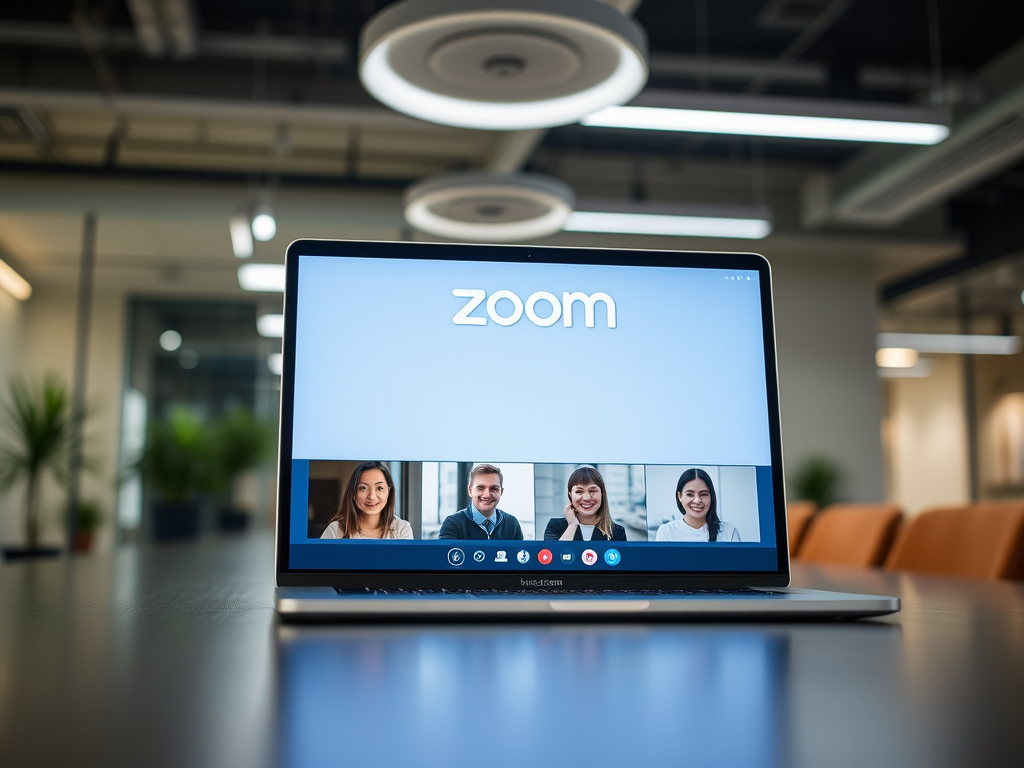
Zoom: Accelerated Growth Through Simplicity and Scale
Zoom serves as a prominent illustration of a brand situated in the growth stage of its lifecycle. The company significantly increased its visibility and user engagement during the pandemic, demonstrating its capacity for rapid scaling while upholding its fundamental value proposition of user-friendliness and reliability. This dual capability has been instrumental in driving its overall success.
Product: Zoom’s development has been rapid and responsive. Zoom expanded from a simple video conferencing tool to a comprehensive communications suite, including chat, phone, webinars, and enterprise-grade security. The product is accessible, intuitive, and continually updated based on user feedback (Zoom, n.d.).
Price: The price of Zoom follows a freemium model, offering essential services for free and scaling with tiered pricing for business and enterprise users. This approach lowers the barrier to entry while incentivizing long-term customer investment (Cohan, 2021).
Place: Zoom is digital-first and globally distributed. Zoom is compatible with all major devices and operating systems and integrates with platforms like Microsoft Teams and Slack. Its global infrastructure allows seamless communication across time zones and industries.
Promotion: Zoom was initially fueled by necessity and word-of-mouth but has since matured into brand messaging focused on productivity, innovation, and connectivity. Sponsorships, thought leadership content, and business partnerships reinforce Zoom’s role as a critical tool in the digital workspace (Wheeler & Meyerson, 2024).
Zoom exemplifies a brand in the growth stage of its lifecycle. The platform achieved remarkable global recognition during the pandemic, illustrating its ability to rapidly scale operations while consistently delivering on its core value proposition of user-friendliness and reliability. This strategic alignment has proven to be a critical factor in the company’s success.
Coca-Cola: Sustaining Maturity Through Emotional Consistency
Coca-Cola, regarded as one of the most recognized global brands, serves as a prime example of the maturity stage in the product life cycle. At this phase, it is imperative for the brand to sustain its equity by ensuring consistency, cultural relevance, and a wide-ranging appeal.
Product: Coca-Cola development focuses on diversification without compromising the flagship offering. Coca-Cola continues to innovate with new flavors, sugar-free options, and functional beverages like AHA and Vitaminwater while retaining its classic formula as the brand anchor (The Coca-Cola Company, 2023).
Price: Coca-Cola’s strategies vary by region and market segment. While the brand emphasizes value, it strategically uses bundling and promotional pricing to retain loyalty and encourage high-volume purchasing.
Place: One of Coca-Cola’s greatest strengths is placement. The brand has an unmatched global distribution network, with presence in restaurants, vending machines, retail chains, and e-commerce platforms. This ubiquity reinforces its “always within reach” brand promise (Kotler & Keller, 2022).
Promotion: Coca-Cola remains deeply emotional and globally resonant. Campaigns like “Taste the Feeling” and “Share a Coke” foster personal connection and nostalgia. Sponsorships with significant cultural and sporting events ensure consistent global visibility, reinforcing trust and familiarity (Wheeler & Meyerson, 2024).
Coca-Cola, recognized as one of the most prominent brands globally, exemplifies the maturity stage within the product life cycle. During this phase, it is crucial for the brand to uphold its equity through strategies that promote consistency, cultural relevance, and extensive market appeal.
Key Takeaways
Strategically applying the 4Ps across the brand life cycle is essential for building and maintaining brand equity. Burberry’s reinvention demonstrates the power of aligning heritage with modern design and storytelling. Zoom’s growth reflects how simplicity and adaptability can fuel scale. Coca-Cola’s maturity shows that even legacy brands must evolve to maintain their emotional and physical presence in the marketplace. As Wheeler and Meyerson (2024) emphasize, “a consistent brand experience across touchpoints creates recognition, trust, and loyalty.” These brands exemplify how the 4Ps can be used not just to market, but to transform.
References
Burberry. (n.d.). Our story. https://us.burberry.com/c/burberry-world/heritage/our-story/
Chitrakorn, K. (2020, November 23). How Burberry became cool again. Vogue Business. https://www.voguebusiness.com
Cohan, P. (2021, July 21). Why Zoom’s growth strategy is working—and how it plans to keep growing. Forbes. https://www.forbes.com
Kotler, P., & Keller, K. L. (2022). Marketing management (16th ed.). Pearson Education.
Ritson, M. (2021, September 2). Burberry’s marketing reinvention is a lesson in brand revitalization. Marketing Week. https://www.marketingweek.com
The Coca-Cola Company. (2023). Welcome to Coca-Cola. https://www.coca-cola.com/us/en?redirect=true
Wheeler, A., & Meyerson, R. (2024). Designing brand identity (6th ed.). Wiley Professional Development (P&T). https://bookshelf.vitalsource.com/books/9781119984825
Zoom. (n.d.). About Zoom. https://www.zoom.com/en/about/

Leave a comment